If you have ever read a Norse myth, you have noticed something most personality systems lack: none of the gods are wholly good. Odin is wise and treacherous. Thor is brave and impulsive. Loki is brilliant and destructive. Freyja is loving and ferocious. The Norse pantheon does not give you heroes and villains; it gives you whole people.
That is exactly why Norse mythology turns out to be a remarkably good source for personality archetypes — and why Elementals chose it over the more familiar Greek, Roman or generic Jungian alternatives. Where most archetype systems flatten characters into a single dominant trait, the Norse gods are designed around contradiction. Their virtues and their shadows are the same trait, seen from two angles.
This guide explains what each of the sixteen Norse archetypes used in Elementals means: the mythological story behind it, the personality pattern it captures, and the Big Five signature it corresponds to. If you have already taken the assessment and want to understand your result, this is the long-form context. If you are new to the framework, this is the tour.
Why sixteen, and why these specific gods?
The Norse pantheon contains far more than sixteen named figures — there are giants, dwarves, elves, einherjar and dozens of minor deities. Elementals draws on the sixteen that meet three criteria:
- Distinct trait signature. Each archetype maps to a unique combination of Big Five scores. There is no redundancy — Odin and Heimdall both score high on analytical traits, but they differ measurably on Openness and Extraversion.
- Mythological complexity. Each character has enough surviving story material to support a full archetype description: strengths, shadow side, behavioural patterns under pressure, growth path. One-dimensional figures were excluded.
- Coverage of the trait space. Taken together, the sixteen archetypes cover the practical range of Big Five profiles you encounter in working populations. Extreme outliers (very high Neuroticism combined with very low Conscientiousness, for example) are not represented as separate archetypes; they appear as growth zones within existing ones.
The sixteen are arranged in pairs and clusters that reflect how Norse mythology itself organises them — Aesir and Vanir, light and shadow figures, the gods of order and the agents of change.
A quick orientation: the five element layer
Before walking through the archetypes, it is worth knowing that each one carries a primary and secondary element — Earth, Water, Fire, Wind or Aether. The elements are a visual and tonal layer, not a separate measurement. Earth corresponds roughly to Conscientiousness and stability. Water corresponds to depth, reflection and Agreeableness. Fire corresponds to energy, Extraversion and assertiveness. Wind corresponds to intellectual flexibility and Openness. Aether corresponds to introspection, intuition and the integrative capacity that does not sit cleanly on any single Big Five trait.
The element gives you the colour and texture of an archetype; the Big Five profile gives you its measurable shape.
The sixteen Norse archetypes
The descriptions below are condensed. Full archetype pages, with mythological stories, behavioural patterns, growth paths and reading lists, live at /en/archetypes.
1. Odin — The Wise Strategist
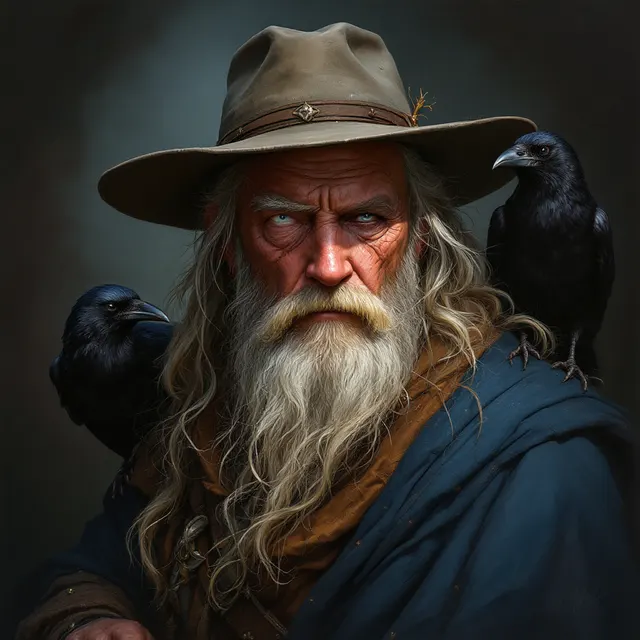
The Allfather. The god who hung nine days on Yggdrasil to receive the runes, who sacrificed an eye at Mímir's well for a draught of wisdom. Big Five signature: high Openness, high Conscientiousness, moderate Extraversion, moderate Agreeableness, low-to-moderate Neuroticism. Primary element: Aether. The Odin archetype is the long-game thinker, the person who absorbs information from everywhere and connects dots others miss. Shadow: manipulation, willingness to use people as pieces on a board, isolation through superiority.
2. Thor — The Protector
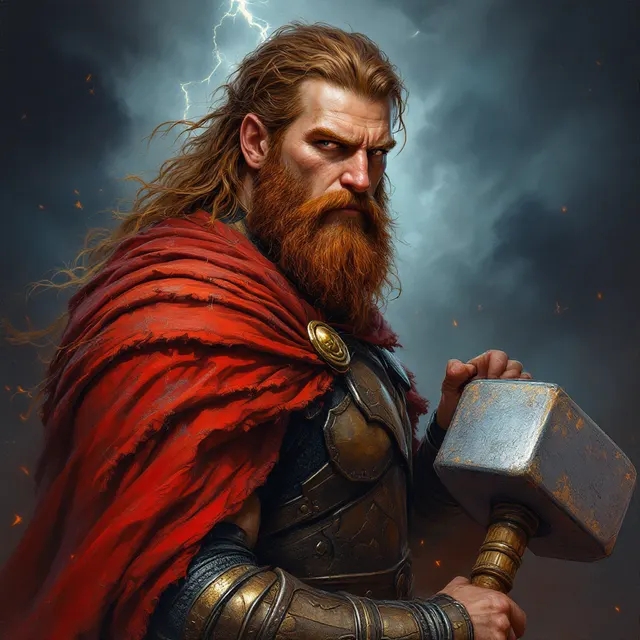
The thunderer. The god who would rather break a problem than negotiate it, whose hammer Mjölnir defends Asgard from giants. Big Five signature: moderate Openness, high Conscientiousness, high Extraversion, high Agreeableness, low Neuroticism. Primary element: Fire. The Thor archetype is the reliable defender, the person teams turn to when something needs to get done now. Shadow: impulsiveness, mistaking force for solution, contempt for nuance.
3. Freyja — The Connector
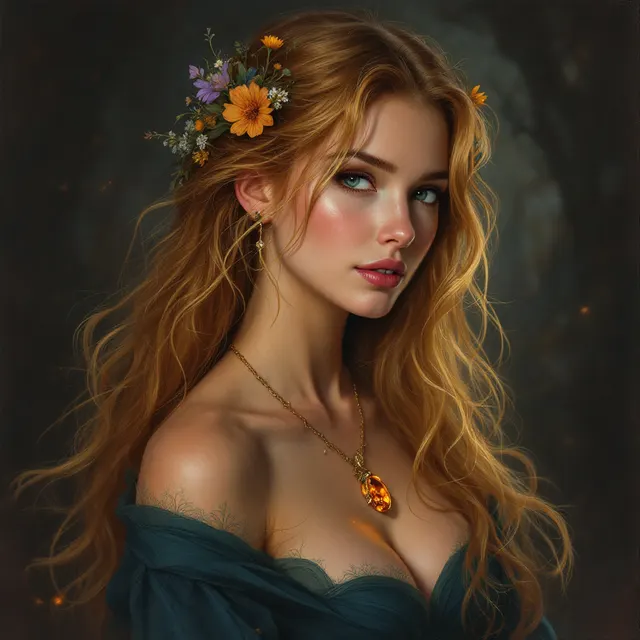
The goddess of love, war and seiðr (Norse magic). Mistress of the cats that pull her chariot, traveller between worlds. Big Five signature: high Openness, moderate Conscientiousness, high Extraversion, high Agreeableness, moderate Neuroticism. Primary element: Water. The Freyja archetype is the diplomat with depth, the person who can read a room and shift its emotional temperature. Shadow: emotional volatility, over-identification with others' feelings, blurred boundaries.
4. Loki — The Change-maker
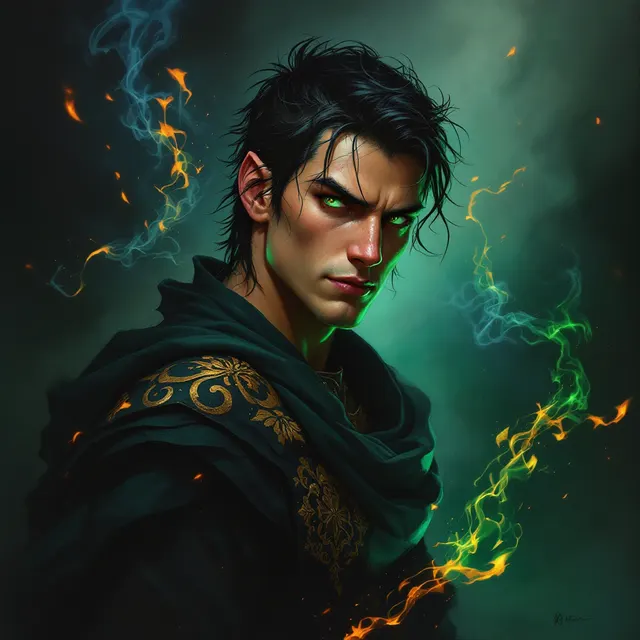
The trickster. Half-giant, half-god, blood-brother to Odin and engineer of Ragnarök. The character without whom nothing in the Norse cosmos ever happens. Big Five signature: very high Openness, low Conscientiousness, high Extraversion, low-to-moderate Agreeableness, moderate Neuroticism. Primary element: Wind. The Loki archetype is the creative disruptor, the person who sees the rules and immediately spots the workaround. Shadow: chaos for its own sake, broken trust, brilliance without follow-through.
5. Frey — The Peacemaker
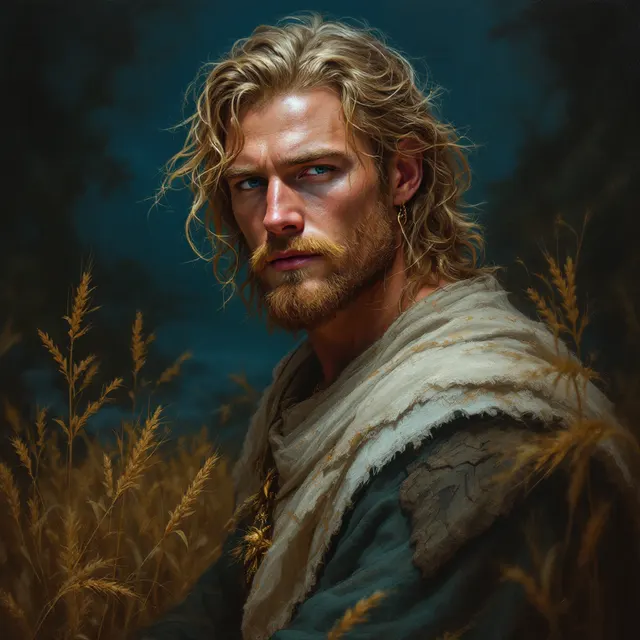
Twin brother of Freyja. God of fertility, peace and the harvest. The figure who gave up his sword for love. Big Five signature: moderate Openness, moderate Conscientiousness, moderate Extraversion, very high Agreeableness, low Neuroticism. Primary element: Earth. The Frey archetype is the natural harmoniser, the person who absorbs tension to keep a group functional. Shadow: conflict avoidance, self-sacrifice that breeds resentment, vulnerability to exploitation.
6. Heimdall — The Watcher
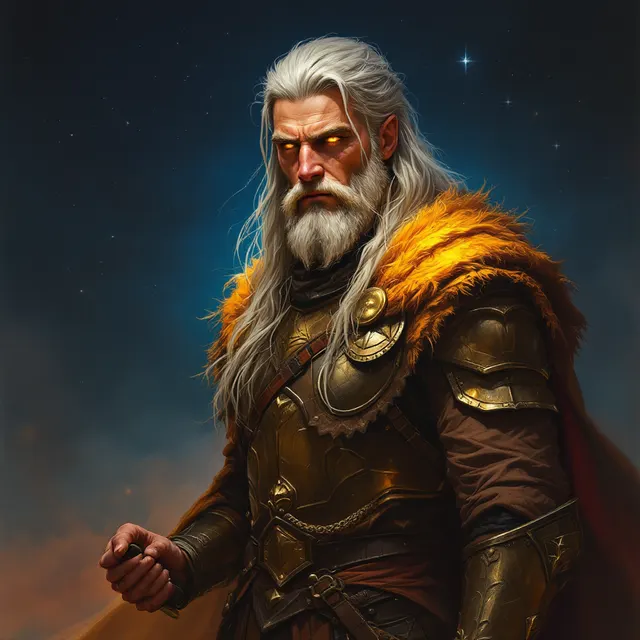
The guardian of the Bifrost bridge. The god who can see for a hundred leagues, hear grass grow and wool grow on sheep. Big Five signature: high Openness, very high Conscientiousness, low Extraversion, moderate Agreeableness, low Neuroticism. Primary element: Wind. The Heimdall archetype is the systems-observer, the person who notices a pattern weeks before it becomes a problem. Shadow: hypervigilance, distrust, exhaustion from never standing down.
7. Tyr — The Judge
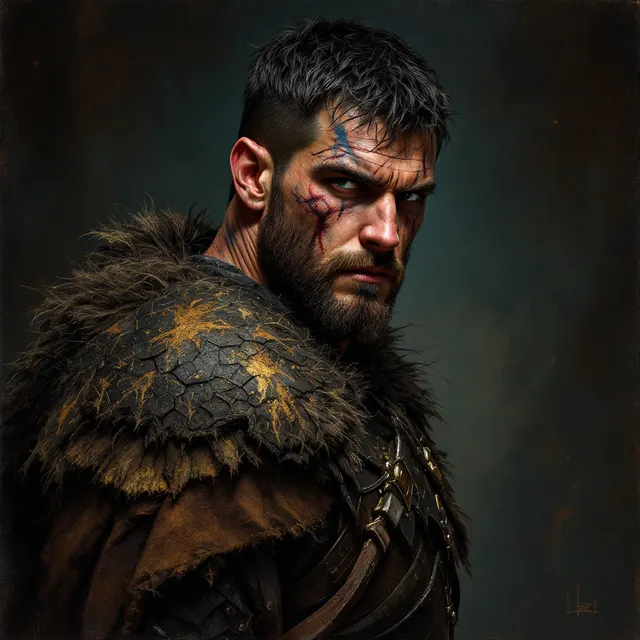
The one-handed god. The one who placed his hand in Fenrir's mouth as a guarantee, knowing he would lose it, because someone had to. Big Five signature: moderate Openness, very high Conscientiousness, low-to-moderate Extraversion, moderate Agreeableness, low Neuroticism. Primary element: Earth. The Tyr archetype is the principle-keeper, the person whose word is binding even at personal cost. Shadow: rigidity, inability to update when context changes, harsh judgement.
8. Frigg — The Weaver
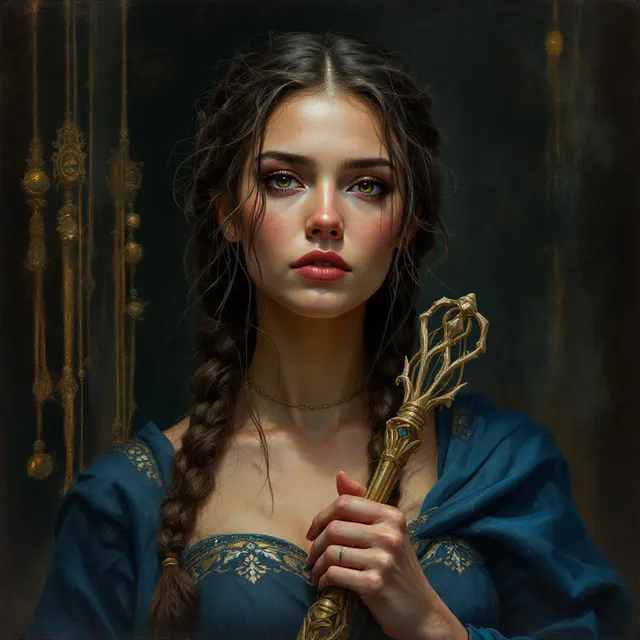
Queen of the Aesir. The goddess who knows every fate but speaks none, who weaves the threads of the world on her spinning wheel. Big Five signature: moderate Openness, high Conscientiousness, moderate Extraversion, very high Agreeableness, moderate Neuroticism. Primary element: Water. The Frigg archetype is the caretaker-organiser, the person holding a household, team or organisation together quietly. Shadow: overprotection, the inability to let others fail and learn, invisible burnout.
9. Baldur — The Bringer of Light
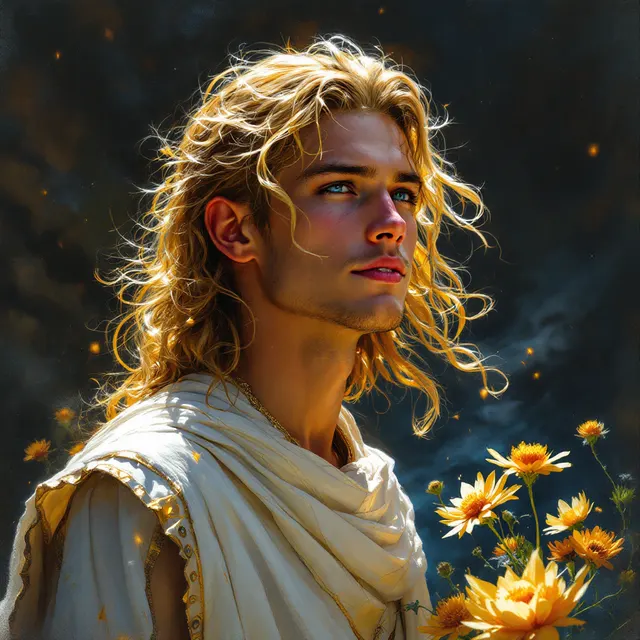
The shining god. The one whose death sets Ragnarök in motion. Big Five signature: moderate Openness, moderate Conscientiousness, high Extraversion, very high Agreeableness, low Neuroticism. Primary element: Aether. The Baldur archetype is the natural optimist, the person whose presence raises a group's baseline mood. Shadow: avoidance of difficult truths, naivety about ill-will, fragility when the world disappoints.
10. Hel — The Boundary-keeper
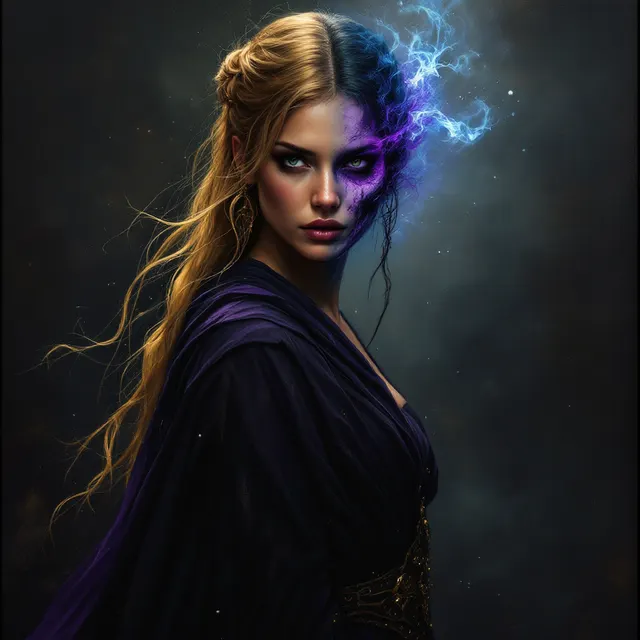
Daughter of Loki. Sovereign of Helheim, the realm of those who did not die in battle. Half-living, half-dead. Big Five signature: high Openness, high Conscientiousness, low Extraversion, moderate Agreeableness, moderate-to-high Neuroticism. Primary element: Aether. The Hel archetype is the holder of difficult realities, the person who can sit with grief, complexity or shadow without flinching. Shadow: isolation, identification with darkness, refusal to engage with hope.
11. Njord — The Navigator
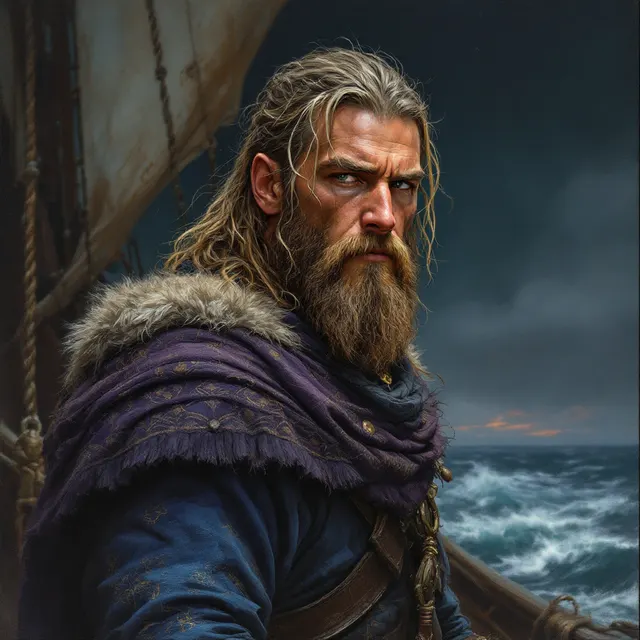
God of the sea, of trade winds, of harbours. Father of Frey and Freyja. Big Five signature: moderate Openness, high Conscientiousness, moderate Extraversion, moderate Agreeableness, low Neuroticism. Primary element: Water. The Njord archetype is the practical strategist, the person who reads conditions and adjusts course without drama. Shadow: emotional distance, treating people as logistics, fatigue dressed as pragmatism.
12. Skadi — The Mountain-walker
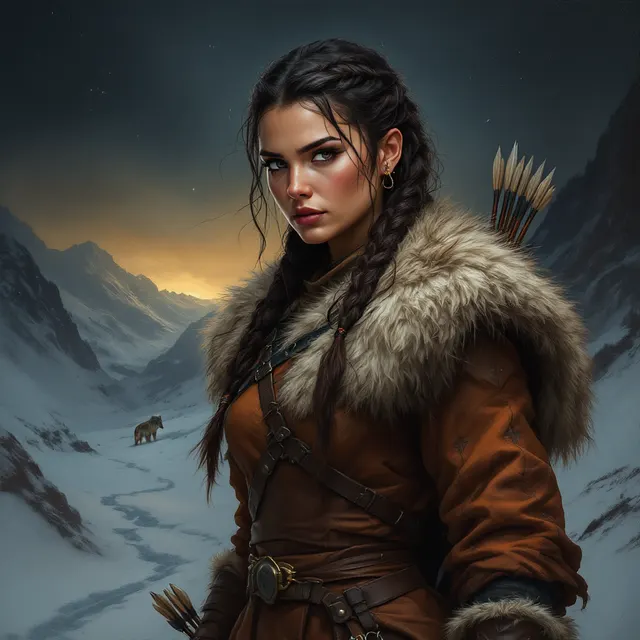
Giantess turned goddess. Bow-hunter, skier, the one who chose Njord by his feet alone and then divorced him because she could not bear the sea. Big Five signature: high Openness, high Conscientiousness, low-to-moderate Extraversion, low Agreeableness, moderate Neuroticism. Primary element: Wind. The Skadi archetype is the independent operator, the person who needs solitude and clear standards to function. Shadow: harshness, contempt for warmth, isolation as identity.
13. Idun — The Nurturer of Growth
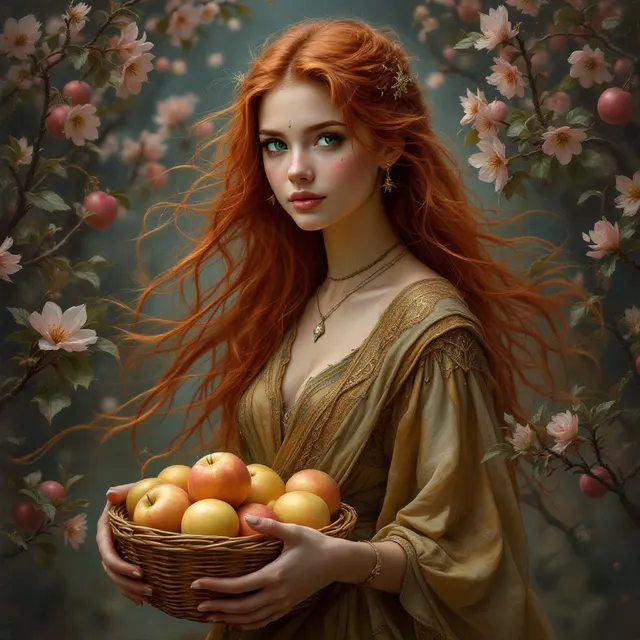
Keeper of the golden apples that grant the gods their youth. Big Five signature: high Openness, high Conscientiousness, moderate Extraversion, very high Agreeableness, low Neuroticism. Primary element: Earth. The Idun archetype is the developer of others, the person whose presence makes a team grow. Shadow: over-giving, depletion, anger when growth is not appreciated.
14. Bragi — The Storyteller
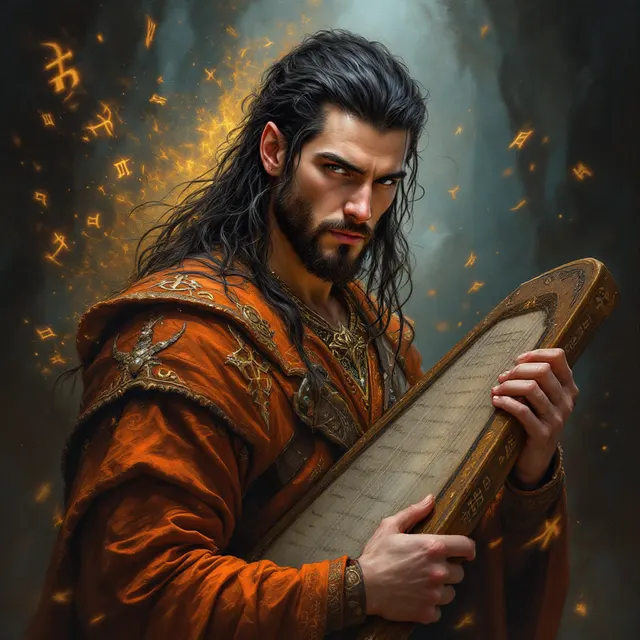
God of poetry and eloquence. Big Five signature: high Openness, moderate Conscientiousness, high Extraversion, high Agreeableness, low-to-moderate Neuroticism. Primary element: Aether. The Bragi archetype is the communicator, the person who turns experience into language that resonates. Shadow: performance over substance, charm as deflection, words substituting for action.
15. Ullr — The Specialist
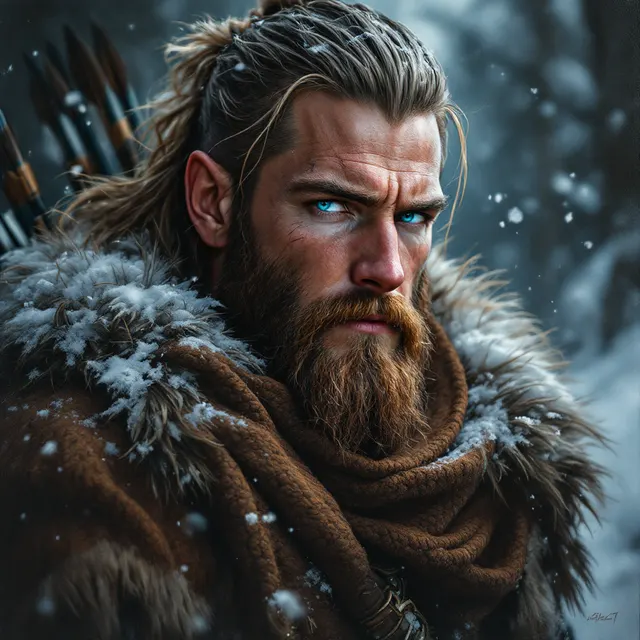
God of skill, archery, single combat and the winter hunt. Big Five signature: moderate Openness, very high Conscientiousness, low Extraversion, moderate Agreeableness, low Neuroticism. Primary element: Earth. The Ullr archetype is the master of craft, the person who pursues excellence in a narrow domain. Shadow: tunnel vision, contempt for generalists, identity collapse when the craft becomes obsolete.
16. Ran — The Deep-water Goddess
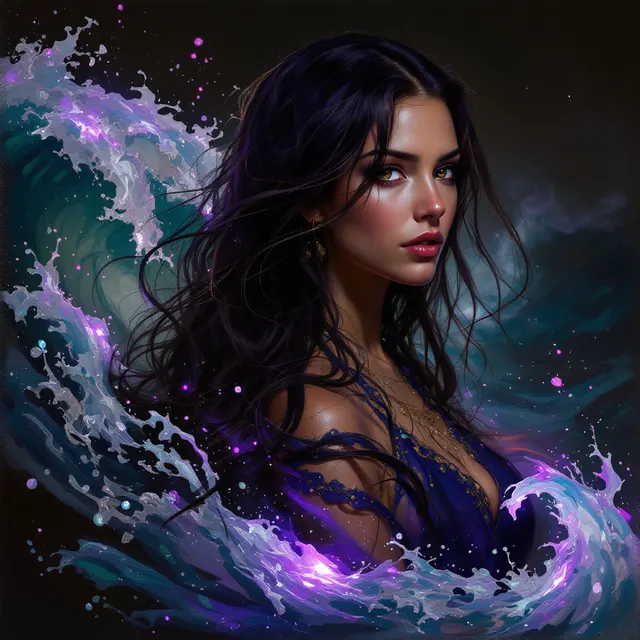
Sea-goddess. Wife of Aegir. The one who catches sailors in her net. Big Five signature: very high Openness, moderate Conscientiousness, low Extraversion, moderate Agreeableness, high Neuroticism. Primary element: Water. The Ran archetype is the intuitive depth-worker, the person who lives close to the underlayer of experience — feeling, dream, pattern. Shadow: drowning in the depths, withdrawal, treating intensity as proof of meaning.
How to read your own archetype
Most people scan a list like this and recognise themselves in three or four characters. That is normal and not a flaw of the framework. The Big Five assessment in Elementals is the disambiguator: it tells you which of those three or four is the structurally closest match to your trait profile. The other resonances usually correspond to your secondary archetype (the closest neighbour in trait space) or to facets of your profile that lean in that direction without dominating.
A practical exercise: read the descriptions of all sixteen archetypes without taking the assessment, write down the three you most identify with, and then take the assessment. Compare. The match between intuition and measurement is usually informative regardless of whether they agree. If they agree, the framework has confirmed your self-knowledge. If they disagree, the gap is the interesting territory.
The assignment itself is deterministic — no AI guesswork, but a systematic pairing. Your five dimension scores place you in one of sixteen profile zones, and each zone corresponds to a specific archetype. Your secondary archetype is the closest neighbour in that zone and reveals your "other side". This means two people with the same archetype have similar personality profiles, while their unique scores create individual nuances. The metaphor is narrative, but the mapping underneath it is reproducible.
What the Norse system gives you that other systems do not
Three things, in order of importance.
Shadow as half the story, not a footnote. Every archetype above is described with equal weight on its strengths and its costs. This is not a stylistic choice; it reflects how the myths actually work. You cannot have Odin's wisdom without his manipulation, because the same trait pattern produces both. Personality work that hides the shadow flatters the user; it does not develop them.
Measurement underneath the metaphor. The archetypes sit on top of Big Five scores, not under intuitive self-recognition. This makes the assignment reproducible, comparable across people, and resistant to the self-flattery problem ("I'm definitely Odin"). The story is what makes it memorable; the measurement is what makes it trustworthy.
Growth paths that are specific. Each archetype has an explicit growth direction — usually toward the trait pattern of a complementary archetype. Tyr's growth is toward Frey (loosening rigidity through care). Loki's growth is toward Heimdall (channelling creativity into structure). Frey's growth is toward Tyr (learning to hold a line). The framework does not just describe who you are; it points at where you have room to develop.
This is also why the archetype is not a box but a mirror. A score of 72% on extraversion sounds scientific, but it tells you little about who you are at work or in your relationships. Read instead about Odin's tendency to want to control everything and you might recognise your own need for control; read about Thor's impulsiveness and you might see your own impatience. That recognition is the starting point of growth — not because a number tells you what to change, but because a story shows you who you are, in all your complexity.
Ready to find out which of the sixteen archetypes your profile matches? Take the free Big Five assessment — about five minutes, no account needed for your first result. The result page links to your full archetype description, your dominant element, and your suggested growth path.
For the science underneath, the Big Five vs MBTI article explains why trait-based measurement is the right foundation for personality work. For the framework comparison, see Norse archetypes vs Jung's 12 archetypes.
References
- Costa, P. T., & McCrae, R. R. (1992). Revised NEO Personality Inventory (NEO-PI-R) and NEO Five-Factor Inventory (NEO-FFI) professional manual. Psychological Assessment Resources.
- Goldberg, L. R. (1993). The structure of phenotypic personality traits. American Psychologist, 48(1), 26–34.
- McAdams, D. P. (2001). The psychology of life stories. Review of General Psychology, 5(2), 100–122.